The Process of Creating a Custom Kitchen
Kitchen cabinets are one of the highlights of your home. In this article, I'm going to walk through some of the decisions and steps involved in creating a kitchen that fits your style, functional needs, and budget. Every project is a little different, and the order of some of these decisions can vary, but we'll start with material and finish selection before moving into the design process.
Materials
Interior Box Material
Most kitchens are built using white melamine, an affordable material with a durable, easy-to-clean surface. Melamine is also available in a variety of colors and finishes. Another option is plywood, which can be left with a natural appearance or finished to complement the exterior of the cabinets. Plywood generally offers better screw-holding and repairability, while also providing a different aesthetic. It does, however, come at a significantly higher cost than standard melamine.
Drawer Box Material
Kitchens often contain a substantial number of drawers, making drawer construction an important consideration. Two materials I commonly use are prefinished Baltic birch plywood and solid maple. Both offer excellent durability, but they have different appearances and construction methods. Prefinished Baltic birch provides a clean, durable interior, while solid maple drawers with dovetail joinery offer a more traditional look and showcase a time-tested method of strong, quality craftsmanship.
Door and Drawer Style
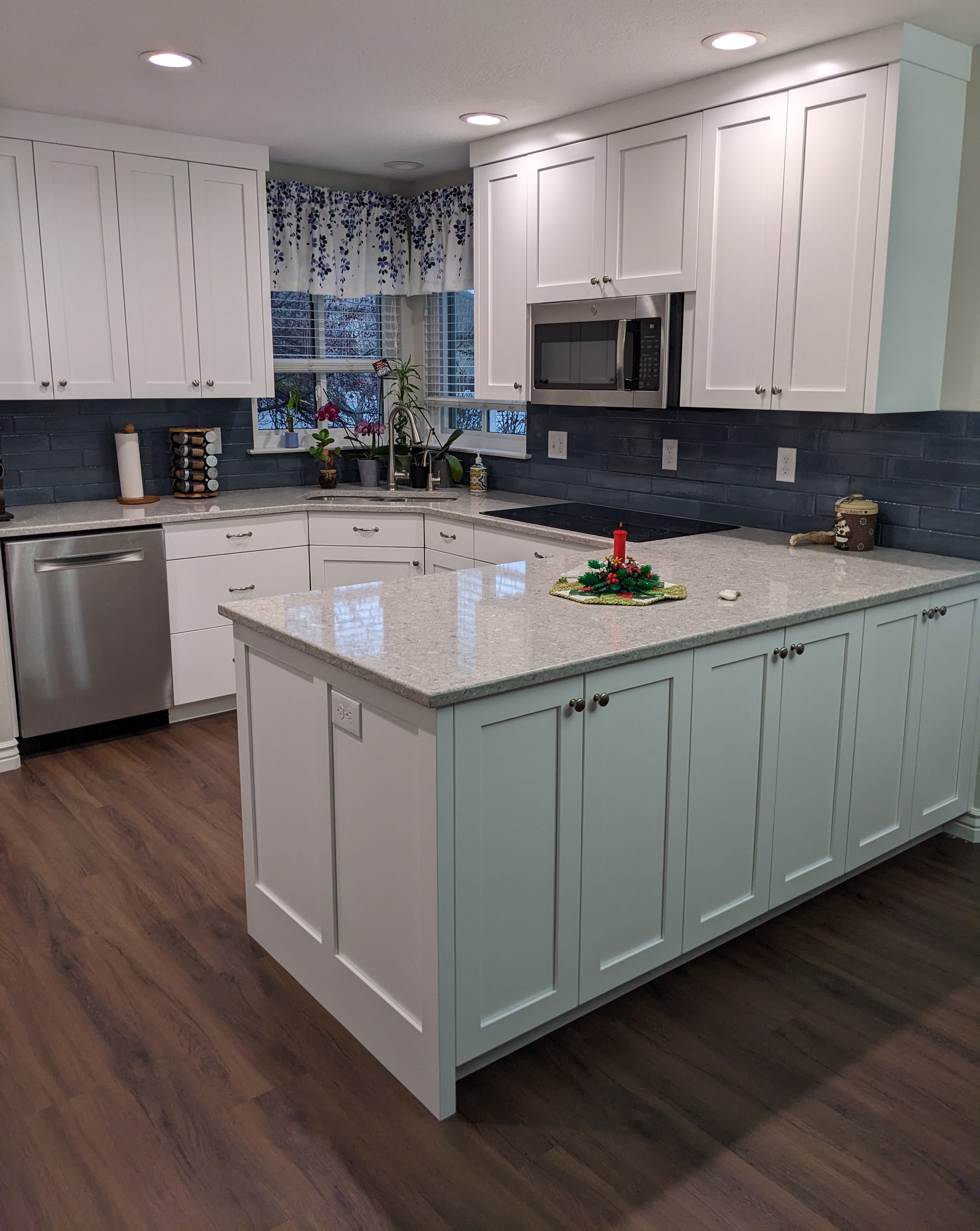
The door and drawer style has a significant impact on the overall appearance of your kitchen. Do you prefer a more modern look with slab-style doors and drawer fronts, the popular Shaker style, or a more traditional design with detailed profiles and raised panels? There are many possibilities, and the style you choose helps establish the overall character of your kitchen.
Exterior Material
If you're planning on painting your kitchen, maple is an excellent wood choice. It's a relatively hard wood with a consistent grain that provides a smooth, attractive painted finish.
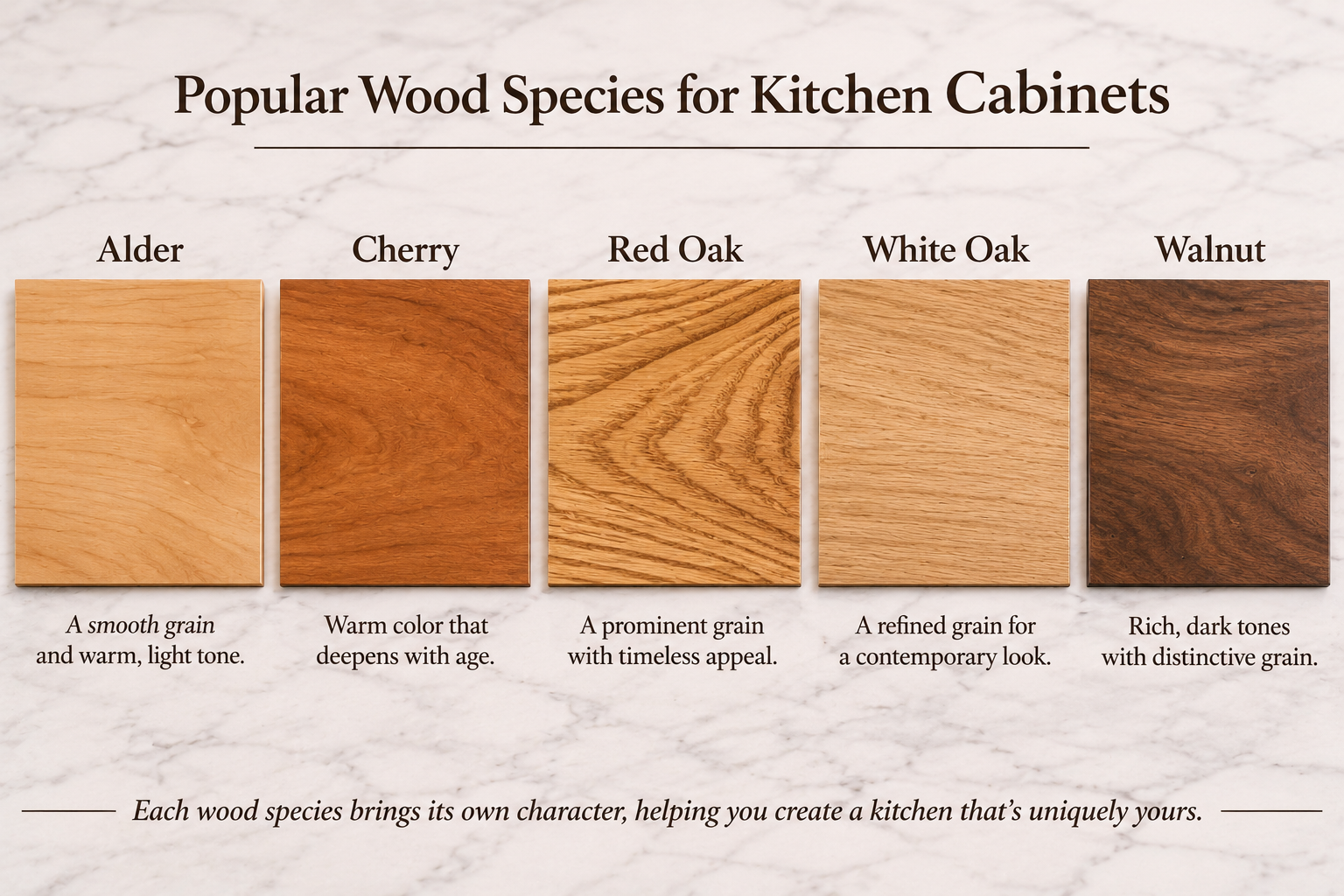
If you prefer natural or stained wood, there are many more options to consider. Some of the most popular species for cabinetry include Alder, Cherry, Red Oak, White Oak, and Walnut. Each has its own characteristics and appearance. Alder is generally a more affordable option with a relatively subtle grain, while Cherry offers warm tones that deepen with age. Red Oak has a prominent grain pattern, White Oak offers a more subtle and contemporary appearance, and Walnut is prized for its rich, dark color and distinctive grain. The cost of these materials varies, but generally increases as you move down this list.
Finish
There are many options when it comes to paints and clear finishes. The finish you choose affects not only the appearance of your cabinets but also their durability and maintenance.
Lacquer is a common cabinet finish that provides an attractive appearance and is relatively easy to apply. However, it can be less resistant to moisture and heavy wear than some alternatives. Conversion varnish and polyurethane offer increased durability and moisture resistance, though they can be more expensive and require additional care during application. Sheen is another consideration, with options ranging from matte to high gloss, each giving the finished cabinets a different appearance.
Hardware
Cabinet hardware is something you'll interact with every day, so choosing quality components is important. I use soft-close hinges and undermount soft-close drawer slides for their smooth operation and clean appearance. Undermount slides also allow for full-extension access to the drawer, making it easier to reach everything inside. There are different levels of hardware quality and functionality available, and these choices can make a noticeable difference in the everyday use of your kitchen.
Design and Drawings
Once we've established the materials, finishes, and general style, we move into the design process. We start by taking measurements of your space and discussing what will work best for your kitchen. This includes cabinet placement, dimensions, appliance locations, and the storage features you'd like to incorporate.
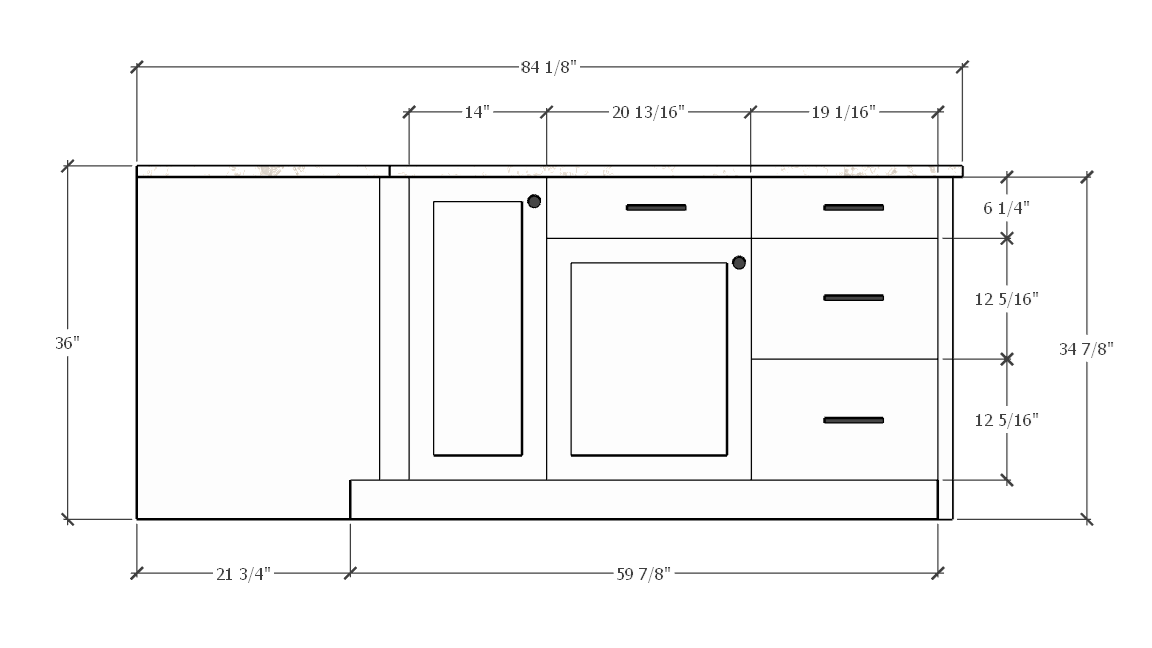
From there, we create detailed drawings that include 3D renderings and dimensioned elevations. This allows you to see how the finished kitchen will look while also giving us the measurements and details needed for construction. We review the drawings together and make adjustments as needed until we're happy with the layout and design.
Build
Once the drawings and specifications are approved, the cabinets go into production. Each cabinet is constructed according to the agreed-upon design, then prepared and finished using the selected materials and finishes. Once everything is complete, the cabinets are installed in your home, bringing the design to life.